Understanding Palm Tree Anatomy for Better Care In Vista, CA
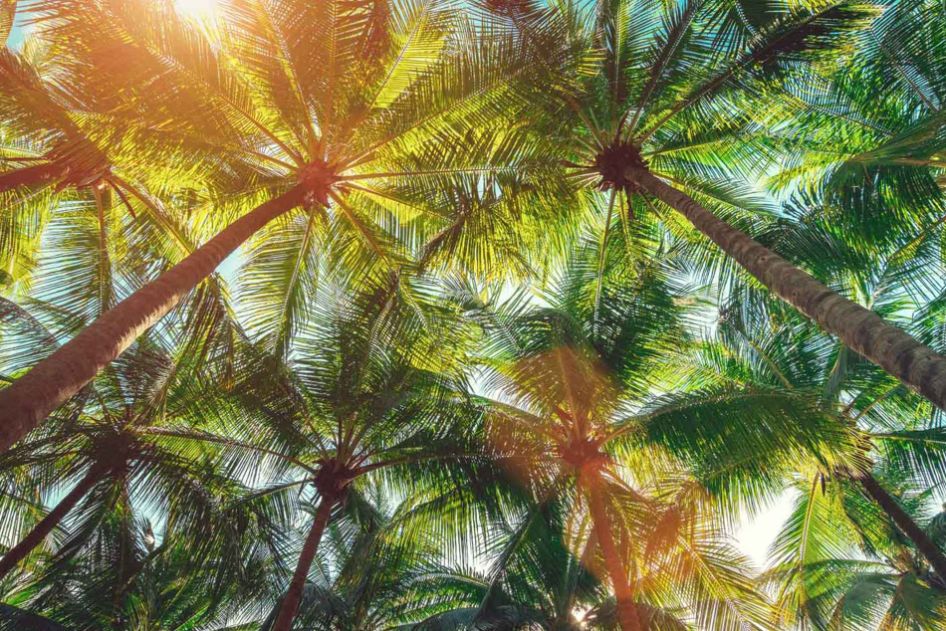
Palm trees are one of the most recognizable parts of the Southern California landscape, but they require specialized care that differs from other trees. In Vista, CA, where warm temperatures, dry summers, coastal influences, and occasional Santa Ana winds all affect tree health, understanding how a palm grows can help homeowners make better maintenance decisions.
Quick Answer
Understanding palm tree anatomy helps property owners recognize normal growth, identify early signs of disease or stress, and avoid pruning mistakes that can permanently damage the tree. Unlike hardwood trees, palms grow from a single growing point, making proper maintenance especially important for long-term health.
What Local Readers Should Know
- Palm trees do not grow the same way as oak, sycamore, or eucalyptus trees commonly found throughout North County San Diego.
- The crown, trunk, roots, and fronds each serve unique functions that require different maintenance approaches.
- Vista’s long dry season and periodic Santa Ana winds can place additional stress on palms if they are not properly maintained.
- Neighborhoods throughout Vista, along with nearby Oceanside, Carlsbad, and San Marcos, often feature mature palms that benefit from regular inspections.
- Proper pruning improves safety and appearance, while excessive trimming can shorten a palm’s lifespan.
Why This Matters Locally
Understanding palm tree anatomy is especially valuable for property owners in Vista because palms are common in residential neighborhoods, commercial landscapes, parks, and community entrances throughout North County San Diego. Local conditions, including extended dry weather, seasonal drought restrictions, coastal humidity changes, and occasional high winds, all influence palm health differently than inland or colder climates.
Vista Valley Tree Service Inc. helps local property owners care for palms using maintenance practices that respect how these unique trees naturally grow. From this point forward, we focus on educating homeowners so they can make informed decisions about protecting their landscape investments.
The Main Parts of a Palm Tree
The main parts of a palm tree include the crown, fronds, trunk, root system, and growing point, and each plays a critical role in keeping the tree healthy.
Unlike traditional shade trees, palm trees have a simple but highly specialized structure.
Crown
The crown is the leafy canopy at the top of the tree. It contains all of the living fronds responsible for producing energy through photosynthesis. Healthy crowns remain full, balanced, and consistently produce new growth.
Fronds
Fronds are the large leaves extending from the crown. They absorb sunlight and provide nutrients to the tree. Green fronds continue feeding the palm, even if they begin hanging downward.
Removing healthy green fronds too early reduces the tree’s ability to produce food.
Trunk
A palm trunk does not expand with annual growth rings like an oak or pine tree. Instead, it consists of tightly packed vascular tissue that transports water and nutrients upward.
Once damaged, the trunk cannot repair itself like many hardwood trees.
Root System
Palm roots spread outward rather than developing one large taproot. They continually regenerate from the base of the trunk and generally remain within the upper layers of soil.
Because of this shallow root system, prolonged drought or compacted soil can affect stability and health.
Growing Point
The growing point, often called the bud or heart, is located at the center of the crown.
This single growing point produces every new frond throughout the tree’s life. If it becomes severely damaged by disease, insects, storms, or improper pruning, the entire palm may die because it cannot produce another growing point.
Local Field Observations
Professional field observations show that pruning mistakes remain one of the most common issues affecting palms throughout Vista and surrounding communities.
While every property is different, we frequently observe problems such as:
- Removal of healthy green fronds
- Excessive “hurricane cuts”
- Dead fronds left hanging near roofs
- Irrigation systems that do not adequately reach mature root zones
- Palm crowns damaged by improper climbing equipment
These observations reflect common maintenance patterns rather than published statistical data.
How Palm Anatomy Affects Tree Health
Palm anatomy directly influences how the tree responds to weather, pests, pruning, and irrigation.
Because palms rely on a single growing point and cannot replace damaged trunks, even small maintenance mistakes can have lasting consequences.
In Vista, prolonged dry summers can slow growth, while winter storms and Santa Ana winds may place additional stress on weakened palms. Understanding which parts of the tree remain active helps homeowners distinguish between normal aging and developing problems.
Warning Signs to Watch For
Several warning signs indicate that a palm may require professional evaluation.
Watch for:
- Brown or collapsing center fronds
- Mushy or foul-smelling crown tissue
- Large cracks or decay in the trunk
- Leaning that appears to worsen over time
- Dead fronds accumulating high above structures
- Evidence of insect activity around the crown
- Unusual discoloration affecting newly emerging leaves
These symptoms do not always indicate serious disease, but they should be evaluated before they become larger problems.
When to Call a Professional
Professional service becomes necessary whenever the palm’s growing point, structural stability, or overall safety may be affected.
Homeowners can safely monitor watering, remove small debris around the base, and observe changes in foliage.
Professional assistance is recommended when:
- Large fronds require removal
- The tree is near power lines
- Disease is suspected
- The trunk appears unstable
- Storm damage affects the crown
- Climbing equipment is needed
Large palms present significant safety risks, especially on properties throughout Vista where mature specimens often exceed several stories in height.
Common Local Causes of Palm Problems
Several local conditions commonly contribute to declining palm health in Vista and nearby communities.
1. Extended Dry Conditions
Southern California’s long dry season increases irrigation demands, especially for newly established palms.
2. Improper Pruning
Removing too many green fronds weakens the tree and reduces its ability to produce energy.
3. Wind Exposure
Santa Ana winds can damage weakened crowns and break older fronds.
4. Nutrient Deficiencies
Sandy or depleted soils throughout parts of North County may contribute to nutrient imbalances that appear as yellowing or discolored fronds.
5. Aging Trees
Older palms naturally shed lower fronds, but they also require more frequent inspections to monitor structural condition.
Prevention and Maintenance
Routine maintenance helps palms remain healthier and safer throughout the year.
Helpful practices include:
- Water deeply during prolonged dry periods.
- Leave healthy green fronds in place whenever possible.
- Schedule inspections before storm season.
- Monitor newly emerging center fronds for changes.
- Keep mulch away from direct contact with the trunk.
- Avoid climbing spikes that permanently damage trunk tissue.
Routine inspections are especially beneficial for mature palms near homes, driveways, pools, and commercial buildings.
Expected Results
Proper palm care supports healthier growth, improved appearance, and reduced safety risks over time.
While maintenance cannot reverse every disease or age-related issue, appropriate pruning, inspections, and irrigation management often help palms remain healthier for many years.
Common Mistakes
Several common maintenance mistakes can unintentionally shorten a palm’s lifespan.
| Mistake | Consequence | Better Approach |
|---|---|---|
| Removing green fronds | Reduced energy production | Remove only dead or hazardous fronds |
| Overwatering | Root stress | Water deeply but appropriately |
| Ignoring crown damage | Disease progression | Schedule a professional inspection |
| Using climbing spikes | Permanent trunk wounds | Use proper palm climbing methods |
| Waiting after storm damage | Increased hazards | Arrange timely assessment |
Common Local Scenario
A common local scenario involves mature palms that appear healthy until storm season exposes hidden maintenance issues.
A homeowner in Vista may notice several older fronds hanging over a driveway after weeks of dry weather. Following strong Santa Ana winds, those fronds become safety hazards. A professional inspection identifies additional dead material in the crown that should be removed while preserving healthy green growth.
Related Service Solutions
Several professional tree services help protect palms before problems become more serious.
Depending on the tree’s condition, services may include:
- Palm tree trimming
- Palm health inspections
- Dead frond removal
- Storm damage cleanup
- Hazard assessments
- Tree risk evaluations
Comparing Your Options
Choosing between DIY maintenance and professional care depends on the height, condition, and location of the palm.
| DIY Monitoring | Professional Service |
|---|---|
| Observe new growth | Safe climbing and pruning |
| Monitor irrigation | Crown inspections |
| Remove loose ground debris | Hazardous frond removal |
| Watch for discoloration | Disease evaluation |
| Track seasonal changes | Structural assessment |
Service Areas
We proudly serve property owners throughout Vista, along with nearby San Marcos, Oceanside, Carlsbad, Escondido, and other surrounding North County San Diego communities. Local experience helps us understand how regional weather patterns influence palm health.
Cost of Ignoring the Issue
Ignoring palm health problems often allows small concerns to become larger and more expensive issues.
Dead fronds may become safety hazards during windy conditions, nutrient deficiencies can worsen over time, and diseases affecting the growing point may become irreversible if left untreated. Routine inspections often identify concerns before emergency service becomes necessary.
Frequently Asked Questions
Why is understanding palm anatomy important for homeowners in Vista, CA?
Understanding palm anatomy helps homeowners recognize healthy growth, identify warning signs early, and avoid pruning practices that may permanently damage the tree. This knowledge supports better maintenance decisions in Vista’s unique climate.
Can I remove green palm fronds?
No. Green fronds continue producing energy for the tree. Removing them too early can weaken the palm and reduce its overall health.
Do palm trees grow like other trees found in North County San Diego?
No. Palm trees grow from a single growing point located in the crown rather than from multiple branches. This makes proper maintenance especially important.
How often should palms be inspected in Vista?
Annual inspections are a practical starting point for most properties, with additional evaluations recommended after severe wind events or if unusual symptoms appear.
What causes brown fronds on palm trees?
Brown fronds may result from natural aging, drought stress, nutrient deficiencies, disease, or storm damage. A professional evaluation helps determine the underlying cause.
Can damaged palm trunks heal themselves?
No. Palm trunks cannot regenerate damaged tissue the same way many hardwood trees can, making prevention especially important.
Do Santa Ana winds affect palm trees in Vista?
Yes. Strong seasonal winds can break dead fronds, stress weakened crowns, and increase safety concerns around homes, streets, and commercial properties.
When should I call a professional for my palm tree?
Professional service is recommended whenever large fronds require removal, the crown shows signs of decline, the tree appears unstable, or climbing equipment is necessary.
Closing
Healthy palms begin with understanding how they grow. Knowing the purpose of each part of the tree helps homeowners recognize potential issues early, avoid harmful pruning practices, and make informed maintenance decisions that support long-term landscape health throughout Vista and surrounding communities.
Protect Your Palm Trees with Professional Care
Our experienced team is here to help you maintain healthy, attractive, and safe palm trees throughout your property.