Tree Planting Tips: Best Practices In Vista, CA for Beginners
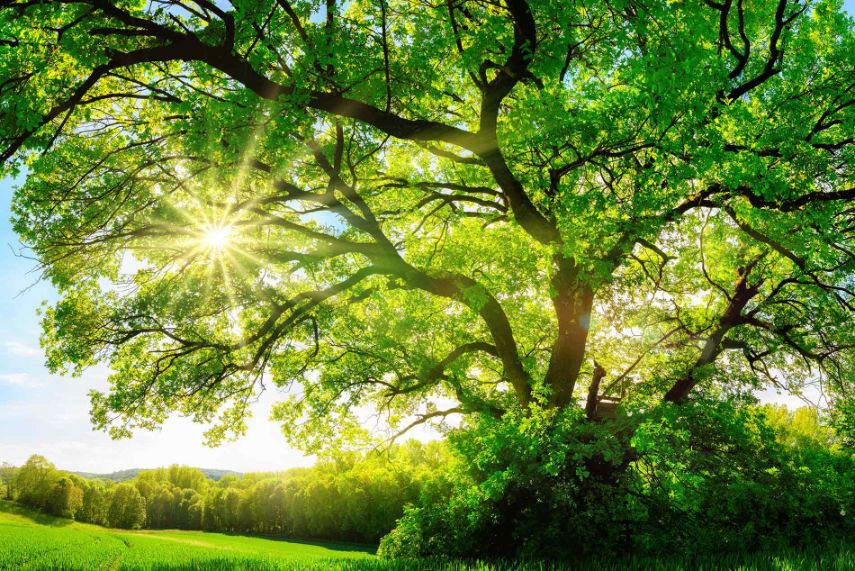
Planting a tree in Vista can improve shade, curb appeal, and long-term enjoyment of your property, but North County conditions make good planning essential. Warm, dry summers, limited rainfall, irrigation needs, and differences between inland and coastal-influenced properties can all affect how a newly planted tree establishes.
Quick answer: For beginners planting trees in Vista, CA, the best approach is to choose a species suited to the local climate and available space, plant it at the correct depth, keep the root flare visible, water the root zone consistently during establishment, and use mulch without piling it against the trunk. Planning for the tree’s mature size is just as important as caring for it after planting.
What local readers should know
-
Choose trees for their mature size, sun exposure, water needs, and compatibility with the specific planting site.
-
Vista’s warm, dry summer conditions can make consistent establishment watering especially important for young trees.
-
Properties throughout North County can have different soil, drainage, slope, and exposure conditions, so planting techniques may need to be adjusted.
-
Keep new trees appropriately separated from structures, hardscape, overhead utilities, and other obstacles.
-
Correct planting depth matters because burying the trunk flare can contribute to future tree problems.
Why Does Tree Planting Require Special Planning in Vista?
Tree planting in Vista requires local planning because heat, dry periods, irrigation, soil conditions, and available growing space all influence whether a young tree establishes successfully. A tree that works well on one property may struggle on another property only a few miles away because drainage, exposure, slope, and irrigation patterns can differ.
Properties closer to areas such as Shadowridge may have different landscaping conditions from lots toward Buena Creek or properties influenced by the hills and open spaces farther inland. Nearby communities including San Marcos, Oceanside, and Carlsbad also illustrate how quickly coastal influence and inland heat can change across North County San Diego.
Vista Valley Tree Service Inc can help property owners evaluate trees and planting locations when professional input is needed. From this point forward, we focus on matching tree care decisions to the actual conditions around the property rather than relying on a one-size-fits-all planting method.
What Do Local Conditions Tell Us About Planting Trees?
Local conditions suggest that successful planting depends heavily on site-specific sun, drainage, irrigation, soil, and available root space. Without verified public data supplied for this article, these recommendations should be treated as practical tree-care guidance rather than claims based on a specific local planting study.
A sunny planting area near a driveway can experience very different heat and moisture conditions from a protected backyard. Sloped properties can also distribute water differently than level lots. Beginners should therefore evaluate the planting location itself before deciding how much water a new tree needs or whether a particular species is appropriate.
How Does Proper Tree Planting Affect Vista Properties?
Proper tree planting gives a young tree a better opportunity to establish a healthy root system while reducing avoidable conflicts with buildings and landscaping. Good placement can also help property owners avoid creating future problems with walkways, fences, roofs, utilities, and neighboring plants.
This is particularly important on residential lots where landscaping must share limited space with patios, driveways, irrigation systems, and structures. Choosing a tree based only on how it looks when young can create problems when its canopy and roots reach mature size.
What Warning Signs Should Beginners Watch for After Planting?
Warning signs after planting include persistent wilting, abnormal leaf loss, poor drainage, unstable trunks, exposed or deeply buried roots, and visible decline. Some adjustment after planting can occur, but repeated or worsening symptoms deserve closer attention.
Watch for:
-
Soil that remains saturated long after irrigation.
-
Water running away from the root zone instead of soaking into it.
-
A trunk that rocks noticeably at the soil line.
-
Mulch or soil piled directly against the trunk.
-
Leaves repeatedly wilting despite appropriate watering.
-
Significant canopy thinning or unusual leaf discoloration.
-
Roots becoming exposed because soil or mulch has washed away.
-
New growth that remains weak while the overall tree continues declining.
When Should You Call a Tree Professional?
Call a tree professional when planting involves a large tree, a difficult site, uncertain tree health, structural concerns, or conditions that make safe placement difficult. Beginners can handle basic monitoring, mulching, and appropriate watering, but diagnosis and higher-risk tree work are better left to experienced professionals.
Professional input can also be valuable before planting when a location is close to structures, established trees, hardscape, or other obstacles. If a newly planted tree becomes unstable or develops significant dieback, determining the cause early may provide more options than waiting for the condition to worsen.
What Common Conditions Cause Newly Planted Trees to Struggle?
The most common reasons young trees struggle are poor species selection, incorrect planting depth, watering problems, inadequate drainage, and unsuitable placement. In Vista, warm and dry periods can make mistakes involving water and root-zone conditions particularly noticeable.
-
Incorrect watering: Too little water can allow a young root system to dry out, while excessive irrigation can create persistently wet soil where drainage is poor.
-
Planting too deeply: Covering the root flare places the trunk base below its appropriate grade.
-
Wrong tree for the location: A tree may eventually outgrow the space or have water, sun, or soil needs the site cannot provide.
-
Poor drainage: Low areas and certain soils may retain moisture longer than expected.
-
Heat exposure: Reflected heat from walls, pavement, and hardscape can make exposed planting sites more demanding during North County’s warmer periods.
How Should Beginners Maintain Newly Planted Trees?
Beginners should maintain new trees by checking soil moisture, watering the root zone appropriately, maintaining proper mulch placement, and inspecting the tree regularly for changes. In Vista’s dry season, scheduled observation is more reliable than assuming every tree needs the same watering routine.
Keep mulch spread over the root zone rather than against the trunk. Check moisture below the surface before adding more water, and pay attention to how quickly the planting area drains.
Seasonal changes matter too. A tree’s irrigation needs during a hot, dry stretch may differ from its needs during cooler or wetter weather. DIY maintenance should stop when the tree shows persistent decline, instability, significant damage, or symptoms that cannot be confidently identified.
What Results Should You Expect From Good Tree Planting?
Good tree planting should support gradual establishment, stable growth, and a root system suited to the planting location rather than producing instant dramatic growth. Newly planted trees need time to adjust, so beginners should focus on consistent care and overall condition instead of expecting rapid canopy development.
As establishment progresses, watering practices may need adjustment. Continued observation helps property owners respond to weather, irrigation changes, and tree growth without overcorrecting at the first sign of stress.
What Tree Planting Mistakes Should Vista Homeowners Avoid?
Vista homeowners should avoid planting too deeply, choosing a tree without considering mature size, overwatering, underwatering, and placing mulch against the trunk. These mistakes can undermine an otherwise suitable planting project.
Mistake: Choosing a tree because it fits the space today.
Consequence: The mature canopy or root system may conflict with surrounding features.
Better approach: Research mature dimensions before selecting the planting location.
Mistake: Watering according to a rigid calendar without checking conditions.
Consequence: The root zone may become excessively dry or wet.
Better approach: Monitor soil moisture and drainage.
Mistake: Creating a mound of mulch around the trunk.
Consequence: Moisture can remain against bark that should stay exposed.
Better approach: Keep mulch away from direct trunk contact.
What Is a Common Tree Planting Scenario in Vista?
A common local scenario is a homeowner wanting a shade tree for a sunny yard but choosing the planting location before considering mature size and irrigation. The young tree initially appears to fit comfortably, yet nearby pavement, fencing, structures, or other landscaping may become conflicts as it grows.
A better process starts with the mature tree. Consider its expected canopy, root space, site exposure, and water requirements first. Then choose a planting location capable of supporting those needs over the long term.
What Professional Services Can Support Healthy Trees?
Professional tree services can help with tree evaluation, pruning needs, health concerns, and decisions involving established or potentially hazardous trees. For beginners, professional guidance can be especially useful when an existing landscape complicates where a new tree should go.
Our role is to help local property owners make informed tree-care decisions based on the conditions present at their property.
Should You Plant a Tree Yourself or Hire Professional Help?
DIY tree planting can be reasonable for manageable trees and straightforward sites, while professional assistance makes more sense when size, access, safety, or site complexity creates uncertainty. The right choice depends more on the project than on whether a homeowner has planted a tree before.
| Option | Best suited for | Main consideration |
|---|---|---|
| DIY planting | Smaller, manageable trees on uncomplicated sites | Correct placement, depth, and watering |
| Professional guidance | Uncertain species or planting locations | Site evaluation and long-term suitability |
| Professional tree work | Larger trees or situations involving safety concerns | Proper equipment and tree-care experience |
For a beginner, knowing when not to improvise is an important part of responsible tree care.
What Areas Can Use These Local Tree Planting Practices?
These planting practices are particularly relevant to Vista and surrounding North County communities that experience warm, seasonally dry conditions. Property owners in nearby San Marcos, Oceanside, and other parts of northern San Diego County should still evaluate the specific exposure, soil, drainage, and irrigation conditions on their own sites.
Local variation matters, even between neighboring properties.
What Can Happen If Tree Planting Problems Are Ignored?
Ignoring planting problems can allow poor establishment, irrigation issues, instability, or conflicts with surrounding property features to become harder to address. A young tree planted in the wrong location may eventually require more substantial corrective work than one whose placement is reconsidered early.
The goal is not to react to every minor change. It is to monitor the tree consistently and investigate persistent problems before they become more serious.
FAQ About Tree Planting in Vista, CA
What is the best time to plant a tree in Vista, CA?
The best planting time depends on the tree species, weather, and ability to provide appropriate establishment care. Avoid treating a calendar date as the only factor. Cooler conditions can reduce heat stress, while reliable access to irrigation is especially important when planting ahead of North County’s warm, dry periods.
How often should I water a newly planted tree in Vista?
A newly planted tree should be watered according to its root-zone moisture, drainage, species, weather, and stage of establishment rather than a universal schedule. Check the soil instead of relying only on surface appearance. Vista properties with different soils, slopes, irrigation systems, and sun exposures may require different watering approaches.
Should mulch touch the trunk of a newly planted tree?
No, mulch should not be piled directly against the tree trunk. Mulch can help moderate root-zone conditions, but the trunk base and root flare should remain appropriately exposed. Keeping mulch away from direct trunk contact is a simple planting practice beginners can follow throughout San Diego County.
How deep should I plant a tree in Vista?
A tree should be positioned so its root flare is at the appropriate finished grade rather than buried beneath excess soil or mulch. Planting too deeply is a common mistake. Because nursery containers and root balls can vary, identify the root flare instead of assuming the container’s soil surface indicates the correct depth.
Can I plant a tree close to my Vista home?
A tree should only be planted near a home after considering its mature canopy, root space, and potential conflicts with the structure and surrounding hardscape. The small tree you purchase may occupy dramatically more space later, so beginners should base placement decisions on mature characteristics rather than current size.
Why is my newly planted tree wilting in North County?
Wilting can result from insufficient moisture, excessive moisture, heat stress, root problems, or difficulties associated with establishment. Check root-zone moisture and drainage first without assuming the tree simply needs more water. Persistent wilting or worsening canopy decline may justify a professional assessment.
Do trees need staking after planting?
Trees should not automatically be staked simply because they are newly planted. Whether support is appropriate depends on tree stability, root-ball conditions, site exposure, and other factors. Unnecessary or improperly installed support can create its own problems, so evaluate the actual need rather than treating staking as a required planting step.
Can I plant any drought-tolerant tree in Vista, CA?
No, drought tolerance alone does not make a tree suitable for every Vista property. Mature size, sun exposure, soil, drainage, irrigation, root space, and surrounding structures all matter. Select a tree for the complete planting site rather than choosing solely because it is described as drought tolerant.
Give Your New Tree a Better Start in Vista
Successful tree planting starts with matching the tree to the property, planting it correctly, and adjusting care to local conditions. With thoughtful placement and consistent monitoring, local property owners can avoid many of the problems that make tree establishment more difficult.
Protect Your Trees With Local Professional Care
We help property owners make informed decisions about the trees growing around their homes and landscapes.