The Benefits of Regular Tree Maintenance In Vista, CA
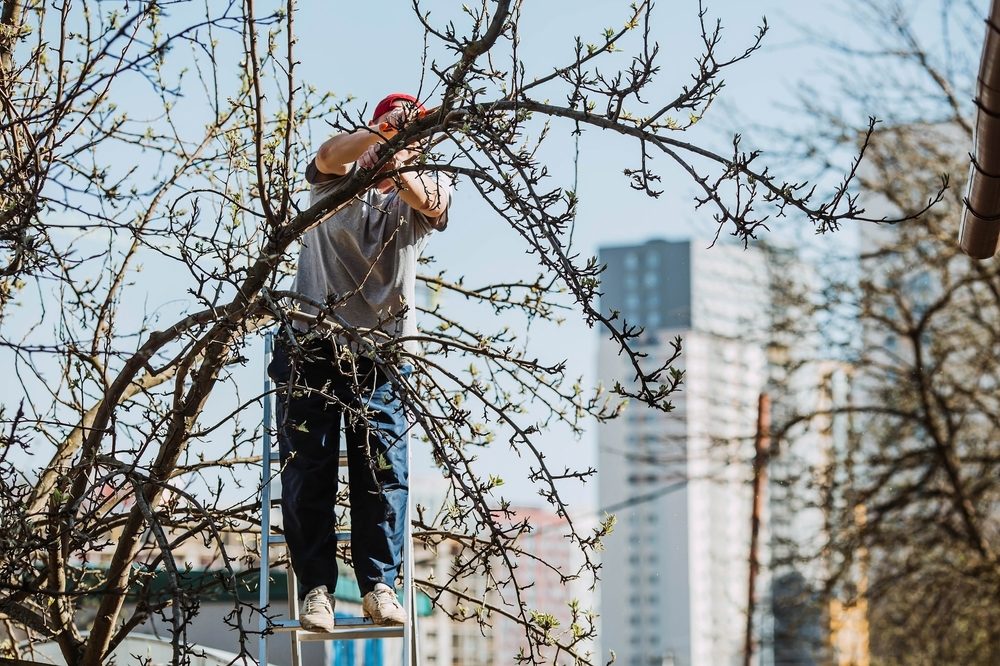
Trees add shade, character, and valuable greenery to properties throughout Vista, but they also need ongoing care to stay healthy and manageable. Between Southern California sunshine, dry periods, seasonal winds, and growth near homes, streets, and utility areas, neglected trees can eventually create problems that routine maintenance could have caught earlier.
Regular tree maintenance helps property owners manage tree health, remove weak or damaged growth, reduce preventable hazards, and keep branches from interfering with structures or other parts of the landscape. Instead of waiting until a limb breaks or a tree becomes visibly unhealthy, routine inspections and appropriate trimming allow potential concerns to be addressed while they are more manageable.
What Local Property Owners Should Know
-
Regular inspections can identify dead limbs, structural weaknesses, disease symptoms, and other concerns before they become more serious.
-
Trees near homes, driveways, sidewalks, and streets require particular attention because falling or overgrown branches may affect people and property.
-
Dry conditions and periods of wind in North County San Diego can place added stress on trees that already have weak branches or poor structure.
-
Improper pruning can damage a tree, so major trimming and work involving large limbs should be handled carefully.
-
Trees growing near power lines require special precautions, and utility-related vegetation concerns should be handled through the appropriate utility provider.
Why Does Regular Tree Maintenance Matter in Vista?
Regular tree maintenance matters in Vista because it helps trees remain healthy, structurally sound, and better suited to the conditions around local homes and businesses. Routine care can reduce excessive growth, address damaged limbs, improve clearance, and give property owners an opportunity to spot developing problems before storms, wind, decay, or continued growth make them harder to manage.
Trees are an important part of the local landscape, from residential streets near Shadowridge to properties surrounding Brengle Terrace Park and neighborhoods closer to Buena Vista Creek. The City of Vista also actively manages an extensive urban forest and performs cyclical trimming along city streets, reflecting the ongoing care that established trees require.
Vista Valley Tree Service Inc. helps local property owners address tree maintenance needs. After evaluating the tree and surrounding property, we can help determine what type of care is appropriate based on its condition, location, and growth.
What Do Local Tree Care Observations Show?
Local tree care observations show that trees perform best when maintenance addresses both the tree itself and the environment surrounding it. Branch structure, nearby buildings, roads, irrigation patterns, soil conditions, and exposure to sun and wind can all affect how a tree grows and what maintenance it may need.
The City of Vista Public Works Department describes intermittent trimming, inspections, and related services as essential parts of maintaining the community’s tree population. The city also manages thousands of trees along roads, in parks, medians, open spaces, and public facilities.
For private property owners, the practical lesson is straightforward: mature trees should not be treated as a landscape feature that can simply be planted and forgotten. Their condition changes as they grow.
How Does Tree Maintenance Affect Local Properties?
Tree maintenance can protect local properties by controlling problematic growth, reducing weak or dead branches, and maintaining safer clearance around structures and high-use areas. It can also improve the appearance of established landscapes and make it easier to monitor trees for changes in health.
A branch extending over a roof may scrape roofing materials or become more concerning as it gains weight. Growth over a driveway can interfere with vehicles. Low limbs near sidewalks can obstruct pedestrian access, while dense or poorly structured canopies may conceal dead branches.
For homeowners and commercial property managers in Vista, catching these issues during routine maintenance is generally more manageable than responding after a limb has already fallen.
What Are the Warning Signs That a Tree Needs Attention?
Warning signs that a tree needs attention include dead branches, visible cracking, unusual leaning, declining foliage, damaged bark, and limbs interfering with buildings or access areas. Any significant change in a mature tree deserves a closer look, particularly when the tree is positioned near a home, driveway, sidewalk, street, or gathering area.
Watch for these signs:
-
Large dead or leafless branches remain in an otherwise living canopy.
-
Branches are cracked, hanging, or visibly damaged.
-
The trunk develops new cracks, cavities, or areas of significant decay.
-
A tree begins leaning noticeably or the lean appears to be increasing.
-
Roots become exposed, damaged, or associated with visible soil movement.
-
Branches rub against roofs, siding, fences, or other structures.
-
Dense growth prevents you from clearly seeing the tree’s primary branch structure.
-
Limbs are growing close to utility lines.
Changes do not automatically mean a tree must be removed. They do mean the tree may benefit from professional evaluation.
When Should You Call a Tree Care Professional?
You should call a tree care professional when maintenance involves large limbs, elevated work, structural concerns, potential tree failure, or conditions that cannot be safely evaluated from the ground. Homeowners can visually monitor their trees, but climbing, chainsaw work, and removing heavy branches introduce significant hazards.
You can safely watch for changes in foliage, fallen twigs, obvious deadwood, or branches beginning to approach a structure. Taking photos periodically can also help you notice gradual changes.
Professional help becomes especially important when a tree has storm damage, substantial dead branches, trunk defects, a sudden lean, or limbs positioned over a house or busy part of the property.
Trees near electrical equipment require additional caution. Do not attempt to trim branches touching or immediately surrounding power lines. San Diego Gas & Electric handles concerns involving vegetation near its electrical infrastructure.
What Common Conditions Create Tree Maintenance Needs?
The most common tree maintenance needs come from normal growth, dead or damaged branches, clearance conflicts, environmental stress, and changes in tree structure over time. Local properties can experience several of these conditions at once, particularly when mature trees have grown for years without a professional inspection.
1. Normal canopy growth
Healthy trees continue expanding toward available sunlight. Over time, branches may extend toward roofs, neighboring properties, driveways, or streets.
2. Dead or weakened branches
Branches can decline because of age, physical damage, disease, pests, environmental stress, or competition within the canopy.
3. Wind exposure
Seasonal winds can place additional force on long, heavy, poorly attached, or already damaged branches.
4. Landscape and irrigation changes
Changes to grading, irrigation, paving, or nearby landscaping can affect the root environment of an established tree.
5. Limited space
Trees planted near sidewalks, walls, buildings, or other improvements may eventually outgrow the space available to them.
How Can Property Owners Maintain Their Trees?
Property owners can maintain their trees by inspecting them regularly, providing appropriate watering, watching for structural changes, and scheduling professional pruning when branches become damaged, overcrowded, or poorly positioned. Consistency matters more than waiting for a tree to develop an obvious problem.
Walk around larger trees periodically and look at them from several angles. Check for new deadwood, changes in the trunk, unusual canopy thinning, hanging branches, and conflicts with structures.
Before the windiest parts of the year, pay particular attention to large branches extending over roofs, parking areas, patios, and walkways. After strong weather, inspect the property from the ground for broken or hanging limbs.
Avoid aggressive DIY pruning on mature trees. Removing too much foliage or making poor cuts can create additional stress and future structural problems.
What Results Can You Expect From Routine Tree Care?
Routine tree care can produce healthier-looking growth, improved clearance, better branch structure, and earlier identification of problems that could otherwise worsen unnoticed. The exact result depends on the species, age, health, location, and previous maintenance history of each tree.
Not every tree needs the same pruning schedule or amount of work. Some trees may only require periodic inspection and selective trimming, while others may need more active management because of their size or proximity to structures.
A good maintenance approach works with a tree’s natural form instead of simply removing as many branches as possible.
What Tree Maintenance Mistakes Should You Avoid?
The biggest tree maintenance mistakes are waiting for visible failure, removing too much canopy, making unnecessary cuts, and attempting hazardous work without the proper equipment or expertise. These choices can increase risk rather than improve the tree.
Mistake: Waiting until a branch breaks.
Consequence: Damage that could have been identified earlier may turn into an urgent cleanup or repair issue.
Better approach: Inspect mature trees periodically and respond to warning signs early.
Mistake: Excessively cutting back the canopy.
Consequence: Poor pruning can stress a tree and produce undesirable future growth.
Better approach: Use selective pruning appropriate for the tree’s structure and condition.
Mistake: Working near power lines.
Consequence: Contact with energized equipment can be extremely dangerous.
Better approach: Keep clear and contact the appropriate utility provider.
Mistake: Assuming every questionable tree needs removal.
Consequence: A manageable pruning or maintenance issue may be mistaken for a reason to remove the entire tree.
Better approach: Have the tree evaluated before choosing a solution.
What Is a Common Tree Maintenance Scenario in Vista?
A common local scenario involves a mature residential tree whose branches have gradually extended over a roof, driveway, fence, or neighboring area. The tree may still appear healthy, but several years of unchecked growth can create clearance issues and leave heavy limbs in positions where failure would be more consequential.
The appropriate response is not automatically severe pruning or removal. A professional assessment can identify deadwood, branch conflicts, structural concerns, and areas where selective trimming may improve clearance while preserving healthy growth.
This type of preventive approach can be especially useful around established homes in Shadowridge, central Vista neighborhoods, and properties near older landscaped corridors.
What Tree Services Can Help With Ongoing Maintenance?
Tree trimming, pruning, inspections, removal when necessary, and related tree care services can help property owners manage both routine growth and developing concerns. The right solution depends on whether the goal is improving clearance, removing damaged material, evaluating tree condition, or addressing a tree that can no longer be safely maintained.
At Vista Valley Tree Service Inc., we can evaluate the situation and recommend an appropriate next step rather than assuming every tree requires the same treatment.
Is DIY Tree Maintenance or Professional Service the Better Choice?
DIY maintenance is appropriate for basic ground-level observation and minor landscape cleanup, while professional service is the safer option for large branches, climbing, chainsaw work, structural concerns, and mature trees near buildings or utilities. The deciding factor should be risk and complexity, not simply whether a branch appears reachable.
Property owners can monitor trees, remove small fallen debris, and maintain appropriate landscaping around trunks. Once work requires ladders, significant cutting, rigging, or judgment about structural integrity, professional service becomes the more appropriate option.
Emergency work should not replace routine maintenance. Periodic care provides an opportunity to address developing problems before they demand immediate attention.
What Areas Can Benefit From Regular Tree Maintenance?
Regular tree maintenance benefits residential and commercial properties throughout Vista and neighboring North County communities where mature landscaping grows close to homes, streets, parking areas, and other improvements. Properties around Shadowridge, Buena Vista, and the broader North County area can all face similar growth and clearance concerns.
Local conditions vary by property, so the appropriate maintenance plan should reflect the actual trees, surrounding structures, and site conditions.
What Can Happen If Tree Maintenance Is Ignored?
Ignoring tree maintenance can allow dead branches, excessive growth, structural defects, and clearance problems to become more difficult or expensive to address. Waiting does not mean every tree will become hazardous, but it reduces the opportunity to identify manageable concerns before they escalate.
A branch that is merely approaching a roof today may rest on it later. A small dead limb can continue deteriorating. Dense growth can make inspection more difficult, while existing cracks or damaged branches may worsen.
Routine inspection provides information. That information helps property owners make maintenance decisions before an unexpected event makes the decision for them.
Frequently Asked Questions About Tree Maintenance
How often should trees be trimmed in Vista, CA?
There is no single trimming schedule that works for every tree in Vista, CA. Species, age, health, growth rate, location, previous pruning, and nearby structures all affect how often maintenance is appropriate. Regular inspections are useful because they allow trimming to be based on actual tree condition instead of an arbitrary calendar.
What time of year is best for tree maintenance in Vista?
The best time for tree maintenance in Vista depends on the tree species and the reason for the work. Dead or hazardous branches may require attention whenever they are identified, while routine pruning may be better timed around a particular species’ growth cycle. A professional can recommend timing after evaluating the tree.
Should I trim branches hanging over my roof?
Branches hanging over a roof should be evaluated when they are touching the structure, dropping debris, damaged, or becoming excessively large. Proper clearance can reduce contact with roofing and make both the tree and structure easier to inspect. Large overhead branches should be handled professionally rather than cut from a ladder.
Who handles trees growing near power lines in Vista?
Trees growing near electrical lines require specialized precautions and may need involvement from San Diego Gas & Electric. Property owners should not attempt to cut vegetation that is touching or dangerously close to energized lines. Contact the utility provider when electrical infrastructure is involved rather than attempting the work yourself.
Do I need permission to remove every tree in Vista, CA?
Removal requirements depend on where the tree is located and whether public right-of-way rules apply. The City of Vista states that trees located within the public right-of-way require a no-fee tree removal permit. Property owners considering removal near a street or right-of-way should verify responsibility and requirements before work begins.
Can trimming save an unhealthy tree?
Trimming can help in some situations, but pruning alone cannot correct every health or structural problem. Removing dead, damaged, or problematic branches may improve conditions, while disease, severe decay, root failure, or major structural defects may require a different approach. An evaluation is the best way to determine realistic options.
Why are regular tree inspections useful in North County San Diego?
Regular inspections help North County San Diego property owners identify changing tree conditions before those changes become obvious emergencies. Mature trees continually respond to growth, weather, irrigation, construction, and surrounding landscape conditions. Checking them periodically makes it easier to notice deadwood, cracks, poor clearance, leaning, or declining foliage.
Does every large tree need professional maintenance?
Not every large tree needs frequent pruning, but mature trees benefit from periodic observation and professional evaluation when concerns appear. Size alone does not determine whether work is necessary. Branch structure, health, location, clearance, and potential targets below the canopy are more useful factors when deciding whether maintenance is needed.
Protect the Trees and Property Around Your Vista Home
Regular maintenance gives property owners a practical way to care for mature trees while keeping an eye on branch structure, health, and clearance around buildings and outdoor spaces. A thoughtful maintenance plan focuses on what each tree actually needs rather than unnecessary cutting.
Keep Your Property Safer With Proactive Tree Care
We can help you evaluate tree concerns and determine an appropriate maintenance approach for your Vista property.